3 Places AI Actually Saves a Small Business Money Right Now
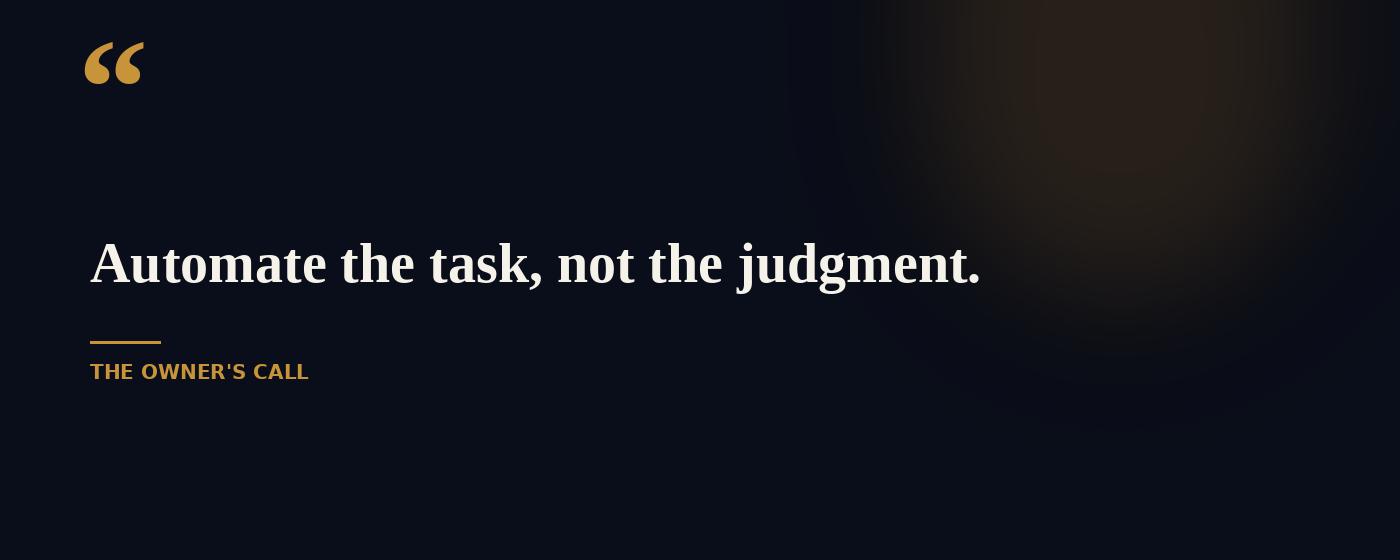
AI saves a small business money in the places that quietly eat hours every week: scheduling and reminders, first-draft customer replies, and basic bookkeeping categorization. None of them replace judgment; they clear the busywork out of the way so you can spend your time on the decisions that actually need you. Automate the task, not the judgment.
AI hype makes it sound like everything should change overnight. It shouldn't. Most of what gets sold to small business owners is either too complicated to actually use or solves a problem you don't have.
But a few places are worth a real look — not because they're exciting, but because they quietly eat hours every week, and nobody notices until those hours are gone.
1. Scheduling and reminders
Across every business I've been part of — the ones I owned or co-owned and the ones I've worked in since — answering customers on time mattered more than almost anything else. It also wasn't always possible. None of them had enough customer service staff to catch every call the moment it came in, and a drycleaner or a body shop running lean doesn't get to hire a full phone team just to make sure nobody's on hold.
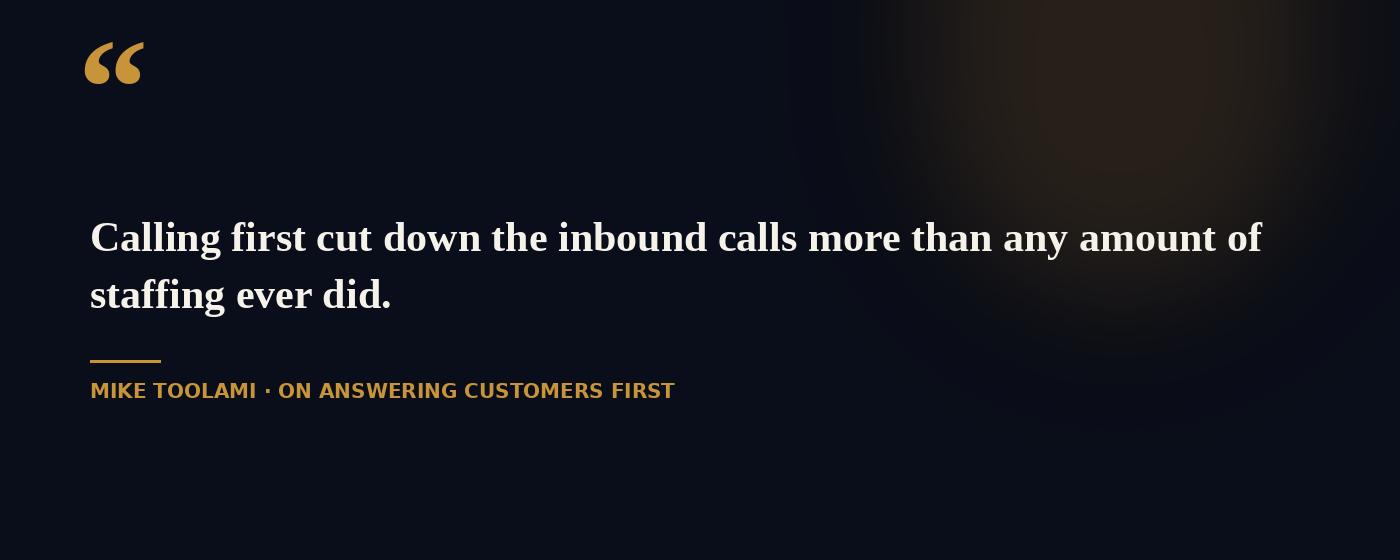
The fix that actually worked wasn't picking up faster. It was calling first. Reaching out before the customer had to call — a text when the car was ready, a call ahead of a pickup window — cut down the inbound calls more than any amount of staffing ever did, because most of those calls were just someone checking on something you could have already told them.
The other thing that mattered just as much: asking every customer how and when they wanted to be contacted, and actually honoring it. That's the real first fix, before any tool gets involved. And if an automated system was answering calls, customers needed to know it was coming and understand how it worked — a system that surprises someone, or leaves them unsure how long a callback will actually take, creates more frustration than it saves.
A missed appointment doesn't just cost you that one job — it costs you the slot you could have filled with someone else. An automated reminder today does the same proactive job that calling first always did, at a fraction of the staffing cost. But the rule hasn't changed: ask the customer's preference, honor it, and explain the system before it surprises anyone.
2. First-draft customer replies
Some questions come in every single day, worded slightly differently each time: "Is my car ready?" "What's the status on my order?" "Can I get an extension on this?" You already know the answer before you finish reading the question — you're just typing it out again.
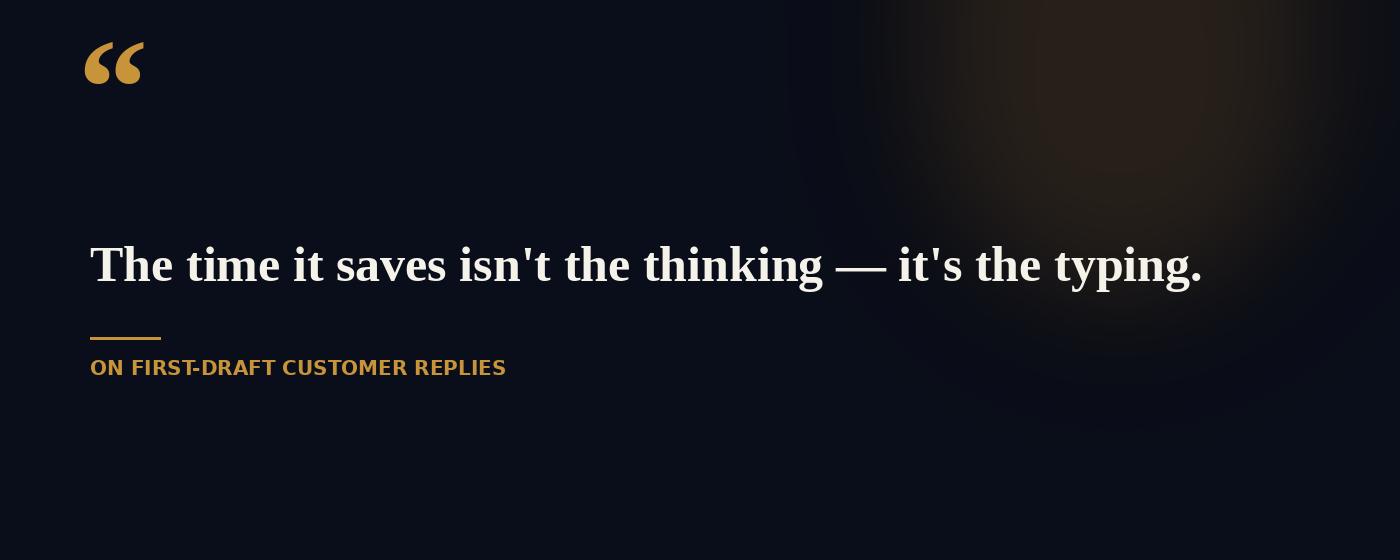
A first-draft reply doesn't make that decision for you. It just removes the blank page. You still read it, still decide if it's right, still hit send yourself. The time it saves isn't the thinking — it's the typing.
3. Basic bookkeeping categorization
Across three businesses and twenty years, the one task that never got easier with experience was sorting receipts and invoices into the right categories at the end of the month. It's not hard. It's just slow, and it's the first thing that gets pushed to "later" when the business itself is busy — which means it usually happens in one exhausted weekend push instead of a little at a time.
This is the single easiest place to start, because the judgment call is small: is this a supply cost or an equipment cost? AI sorts the pile. You still check the totals before anything goes to your accountant.
What AI shouldn't touch yet
None of these three replace judgment. They clear the busywork out of the way so you can spend your time on the decisions that actually need you — which customer gets flexibility on a late payment, which vendor relationship is worth protecting even when their price goes up, which employee is actually struggling versus just having a bad week.
Those calls are still yours. They were never the bottleneck anyway.